
I was scrolling the other day when an ad from the Royal Bank popped up — all smiles and sunshine. It was aimed at newcomers to Canada, showing how the bank could help them settle in. The storyline was simple: you need a credit score to rent an apartment, you go to the bank, everyone beams at you, and suddenly you’re arranging flowers on a chic side table in a fully furnished residence.
Watching it, I couldn’t help but laugh. My mind jumped back fifty years to the first apartment my wife (then girlfriend) and I shared. It was a nice one-bedroom with a sunken living room — but that’s where the similarities ended. New furniture? Not a chance.
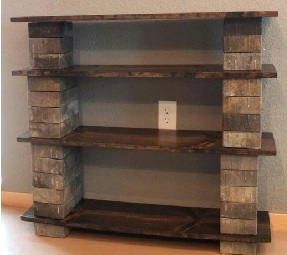
 Our dining table was an old wooden spool with a sheet of plywood nailed on top. We had four kitchen chairs, but only two matched. The couch was a hand-me-down, the coffee table was a slab of plywood balanced on milk crates, and the end tables were pop crates turned on their sides. Our mattress sat directly on the floor, flanked by two mismatched dressers. (we really wanted a real bedroom suite) The bookshelves? Pine boards separated by bricks we’d scavenged from a construction site. And you know what? We loved it. That little mismatched kingdom was ours.
So when I see the polished apartment in the ad, my first thought is: how did they afford all that shiny new stuff? Maybe the bank slipped them a credit card with a wink and said, “Go ahead, run it up — we’ll be here collecting interest.”
Back then, banks weren’t so generous. Fresh out of college, no bank would hand you a credit card. If you wanted something, you saved for it. Period. It was a tough but valuable lesson: live within your means. Only the most creditworthy people got cards, and if you paid them off every month, the bank earned nothing. Somewhere along the line, an accountant realized the real money was in lending to people who weren’t creditworthy — those less likely to pay off their balance, who could be charged sky-high interest. A license to print money off hardworking folks.
Which brings me back to the ad. Is it sending the wrong message? Or exactly the message the bank wants you to hear: Use credit to buy what you want, so we can make billions every quarter. Advertising today is relentless, and its sole purpose is to get you to spend. Credit cards make that dangerously easy. In a world where houses average $700,000 and cars cost more than most people can save, cash-only living feels impossible. But here’s my advice: use credit only when you must. And never forget the difference between a want and a need.
We eventually did get that bedroom suite we dreamed of. It took nine months of saving and a stroke of luck. We’d been eyeing the set for months, checking back at the store again and again. On our tenth visit, it finally went on sale — but we were still $150 short. The owner, who had seen us drooling over it countless times, asked how much we lacked. When we told him, he frowned, stroked his chin, and asked if we needed delivery. I said we could borrow a truck. He grinned and said, “Sold. I’m tired of cleaning your fingerprints off it.”
That Saturday, we picked it up and paid cash. And here’s the kicker: fifty years later, we still have the bedside tables beside the bed. They’ve outlasted every ad, every credit card pitch, and every bank promise. It was worth the wait.